Skokie Order of Protection and No Contact Order Defense Lawyers
- Illinois recognizes harassment without physical violence, but the evidence must meet specific legal requirements.
- Someone can face criminal charges for knowingly violating an order even if the protected person invites contact.
- School no-contact directives and court-issued orders are different. A student facing both needs to understand each process.
Knowledgeable Order of Protection Defense Attorneys Representing Respondents in Skokie, Illinois
A disagreement with a neighbor, former partner, or someone you know can sometimes escalate into a protective-order case. What began as a personal conflict may now require you to appear before a judge. Illinois courts consider the evidence presented by both sides before deciding whether longer-term restrictions are justified.
At Komie and Associates, Stephen Komie and his team represent clients facing court orders, domestic violence allegations, and related criminal charges in Skokie and Cook County. We build defenses around the particular claims rather than assuming every dispute is the same.
Facing an Order of Protection or No Contact Order?
Call Komie and Associates at 312-263-2800 to schedule your consultation and discuss your defense options.
What Counts as Abuse or Harassment Under Illinois Law?
An Illinois order of protection addresses abuse involving qualifying family or household members. Abuse can include physical harm, harassment, intimidation, or interference with personal freedom, even without visible injuries.
Harassment involves conduct that serves no reasonable purpose and causes emotional distress. Examples include repeated unwanted messages, following someone, or monitoring their home or workplace. However, not every unwelcome interaction qualifies as harassment. Courts consider the circumstances, frequency, and purpose of the conduct when evaluating allegations.
Why Do People File Orders of Protection and No Contact Orders in Skokie?
Orders of protection and no contact orders often arise from allegations of abuse, threats, or repeated unwanted contact. However, the people involved may have different accounts of what happened, particularly during divorces, custody disputes, or other personal conflicts. These orders can affect housing, parenting arrangements, and everyday communication.
Our firm reviews petitions, messages, witness statements, and other available evidence to understand the circumstances behind each allegation. Complete conversations and accurate timelines can reveal important details that isolated statements leave out. We work to challenge unsupported claims, address conflicting accounts, and present a clear defense while respecting legitimate safety concerns.
How Can Neighbor Disputes in Skokie Turn Into No Contact Orders?
Living close to other people can make neighborhood conflicts difficult to avoid. In Skokie, disagreements over shared alleys, property maintenance, or security cameras sometimes lead to repeated complaints and accusations of harassment or stalking.
Illinois allows residents to seek a stalking no contact order against a neighbor when there is evidence of a qualifying pattern of conduct. However, complaints about legitimate property concerns do not automatically establish stalking. Our firm examines the history of the dispute, including police reports, communications, and surveillance footage, to distinguish ordinary neighborhood friction from conduct that meets the legal requirements.

What Must Prosecutors Prove for an Order Violation in Skokie?
An alleged violation of an order of protection or no contact order does not automatically result in a conviction. Prosecutors must prove that an enforceable order existed, the accused had the required knowledge, and their conduct violated its terms. Even if the protected person initiates contact, responding can violate the order. Only a court can change its restrictions.
In Illinois, a first violation of a stalking or civil no contact order is typically a Class A misdemeanor, while subsequent violations are Class 4 felonies. Orders of protection have additional penalty rules. Our lawyers can review the evidence and applicable defenses.
How Does Our Team Use Experts to Strengthen Your Defense?
Preparing a strong defense sometimes means looking beyond police reports and witness statements. At Komie and Associates, we work with professionals who can help clarify disputed facts, from medical evidence and electronic communications to the physical layout of an alleged incident. The goal is to understand what the evidence shows and identify information that could affect the case.
This approach was demonstrated during the Roland Breault murder trial, where the defense brought together attorneys Brian King and Allan Ackerman, physician Dr. Larry Blum, architect Ron Bellas, and jury selection expert Dr. Jo-Ellan Demetrius. Bellas created a model of the scene to help explain the physical evidence. Although protective-order cases differ from major criminal trials, the firm applies the same commitment to thorough investigation, thoughtful preparation, and building a defense around the facts.
Case Result
In 2017, Attorney Stephen Komie secured a victory before the Illinois Supreme Court in a case challenging a prosecutor's creation of a special highway investigation team. The court ruled that the prosecutor had exceeded his legal authority by establishing a separate police unit to investigate suspected drug trafficking.
"Amazing services! The best Law office in Chicago! Major victory after four years thank you to Mary, Mr. Komie, and Mr. Anderson."
Frequently Asked Questions About Protective Orders in Skokie
Harassment for an order of protection in Illinois means conduct that serves no legitimate purpose and would cause a reasonable person emotional distress. Certain actions, such as repeatedly calling someone at work or following them, are presumed to be harassment. You can present evidence showing that your conduct had a legitimate purpose or did not cause distress.
You generally cannot be convicted of violating an order you did not know about. Prosecutors must usually prove that you were served or otherwise had knowledge of the order. Once you know about an order, however, you must follow it even if you disagree with it.
A school no-contact directive is not the same as a court order. A school directive is enforced through campus discipline, while violating a court-issued order is a crime. Both can have serious consequences, and statements made in one process may affect the other.
Contact Our Skokie Order of Protection and No Contact Order Defense Attorneys Today
Facing allegations that could lead to an order of protection or no contact order requires a thoughtful legal response. Komie and Associates represents individuals in Skokie who need help challenging disputed claims, understanding court restrictions, and preparing for hearings. Attorney Stephen Komie draws on decades of courtroom experience and works with investigators and other specialists when a case requires additional expertise.
Contact our Skokie, IL order of protection and no contact order defense lawyers at 312-263-2800 to schedule a consultation.
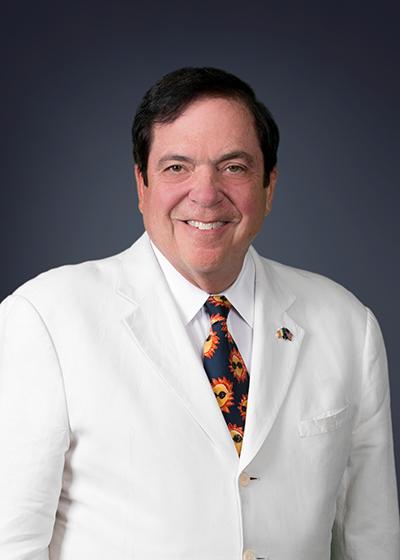
Stephen Komie is battle-tested in the courtroom and has spent over 40 years fighting for clients facing serious criminal charges.
- 40+ years representing clients in state, federal & international trials
- Argued 5 cases before the Illinois Supreme Court
- Top 100 Trial Lawyer (National Trial Lawyers & American Trial Lawyers Association)
- Author of the Attorney's Bill of Rights, adopted by the Illinois Supreme Court
- Admitted to practice before the U.S. Supreme Court
- Founder, Komie and Associates
Cook County Circuit Court
2650 S California Ave #526 Chicago, IL 60608
Schedule a Consultation Today
 The use of the Internet or this form for communication with the firm or any individual member of the firm does not establish an attorney-client relationship. Confidential or time-sensitive information should not be sent through this form.
I have read and understand the Disclaimer and Privacy Policy.








 Map & Directions


From our office in Chicago, Illinois we serve clients throughout the state including but not limited to Joliet, Bridgeview, Wheaton, Rolling Meadows, Lombard, Skokie, Morris, Ottawa, Princeton, Cambridge, Waukegan, LaSalle, Bureau, Peoria, Bloomington, Rockford, Quincy, Macomb, McHenry, Springfield, Rock Island, East St. Louis, Belleville, Elizabethtown, Cook County, Winnebago County, Kane County, Lake County, DuPage County, Jo Daviess County and Northeast Illinois.
Results listed are not a guarantee or indication of future case results.