Rolling Meadows Order of Protection and No Contact Order Defense Lawyers
- Illinois orders of protection can limit contact with family members, affect housing, and restrict parenting time.
- Neighbor disputes can lead to stalking no contact petitions, sometimes filed by both neighbors.
- Emergency orders can be issued without notice, but longer orders require an opportunity to respond.
Experienced Defense Attorneys Helping Clients Fight Protective and No Contact Orders in Rolling Meadows, Illinois
An Illinois protective order can immediately affect your home, relationships, and use of shared spaces. Even if you dispute the allegations, you must follow its restrictions. At Komie and Associates, Attorney Stephen Komie and his team defend clients facing protective orders in Rolling Meadows and the northwest suburbs. We review the allegations and help clients prepare for hearings and related criminal matters.
Facing an Order of Protection or No Contact Order?
Call Komie and Associates at 312-263-2800 to schedule your consultation and discuss your defense options.
What Can an Order of Protection Require You to Do in Rolling Meadows?
An order of protection addresses qualifying abuse involving family or household members. It can prohibit contact, require someone to leave a home, protect pets, and restrict parenting time. Longer orders can address counseling, child-related decisions, and financial support.
Emergency orders can be issued without notice and ordinarily last 14 to 21 days. Interim orders can last up to 30 days, while plenary orders generally last up to two years. Available remedies vary, and an emergency order does not allow every remedy available under a longer order. Domestic violence allegations can also lead to criminal investigations, so the petition and signed order both deserve careful attention.
What Should You Do After Being Served With a Protective Order in Rolling Meadows?
Review the order carefully, including protected people, restricted locations, hearing dates, and any housing or firearm requirements. Do not communicate through others if indirect contact is prohibited. Keep in mind that the person who requested the order cannot waive a court restriction.
Preserve complete messages, recordings, photographs, and witness information rather than selected excerpts. Attend your hearing, since failing to appear after notice can leave the court without your account. An attorney can challenge allegations or request clarification or a rehearing when appropriate.
How Do Rolling Meadows Neighbor Disputes Lead to No Contact Orders?
Disagreements about parking, noise, fences, or cameras can lead to stalking allegations. Unlike an order of protection, a stalking no contact order does not require a family relationship. The petitioner must establish qualifying conduct, ordinarily involving at least two acts that meet the legal standard for reasonable fear or significant emotional distress.
Each neighbor can file a separate petition, but each must prove their case. The court does not automatically issue matching orders. Property surveys, association complaints, video recordings, and witness accounts can help establish what happened. We also examine restrictions that could affect shared driveways, entrances, or everyday movement around the property.

How Do Civil Protective Orders Interact With Criminal Charges?
A civil petition is not a criminal conviction, but allegations involving threats, battery, or sexual misconduct can lead to separate charges. For example, civil no contact orders often accompany sex crimes investigations, while criminal courts can impose additional contact restrictions through pretrial release conditions.
Testimony at a civil hearing can affect a related criminal case, including statements prosecutors might use later. Discuss these risks with our lawyers before testifying. Our team also handles related state crimes and coordinates defenses when civil and criminal proceedings overlap.
Can an Order of Protection or No Contact Order Be Modified, Extended, or Dismissed in Rolling Meadows?
Courts can modify, extend, or dismiss protective orders through procedures that vary by order type. People served with emergency orders issued without advance notice may qualify for a rehearing. Other changes often require new evidence or changed circumstances.
Petitioners can request extensions, and respondents can oppose them. Following the order does not guarantee dismissal. Every restriction remains enforceable until the court changes it, even if the other person agrees to resume contact.
What Other Consequences Can a Protective Order Have?
Protective orders can affect housing, parenting, employment, professional licensing, and firearm possession. Certain orders require surrender of firearms and a Firearm Owner's Identification (FOID) card. Federal firearm restrictions may also apply.
A court finding that someone violated certain protective-order provisions can create immigration consequences. Simply being named in an order is different from such a finding. Anyone concerned about immigration status or professional licensing should seek legal advice before making decisions about testimony or related charges.
How Does Our Team Work With Experts in Rolling Meadows Protective and No Contact Order Cases?
Komie and Associates uses a collaborative approach to preparing defenses. Our attorneys review records, interview witnesses, and identify disputes that require specialized knowledge. Digital forensic experts can examine electronic messages, tracking allegations, or incomplete footage. Medical and mental health professionals can also help explain relevant evidence when appropriate.
The firm has demonstrated this teamwork in major criminal trials, including the Roland Breault case involving a fatal stabbing. The defense team included attorneys Brian King and Allan Ackerman, Dr. Larry Blum, architect Ron Bellas, and jury selection expert Dr. Jo-Ellan Demetrius. Breault was acquitted of first-degree murder and aggravated battery but convicted of involuntary manslaughter.
Not every protective-order case requires expert testimony. We evaluate the evidence and bring in specialists when their expertise can strengthen the defense.
Case Result
"In a criminal case in Kenosha County, Wisconsin, a jury found that Mr. Komie's client was not guilty of charges of First Degree Intentional Homicide and First Degree Sexual Assault."
"I have retained Mr. Komie for legal services in an ongoing litigation for the past five years. During that time we have worked closely together to achieve a positive outcome in my case. I have the highest regard for Mr. Komie and his legal team. I highly recommend him."
Frequently Asked Questions About Protective Orders in Rolling Meadows
An order of protection can be dismissed after it is entered if a judge agrees that it should end. Either side may ask the court to modify or vacate the order. Changed circumstances, new evidence, or the other person's request to end the order can all play a role in that decision.
Evidence that can help you at an order of protection hearing includes text messages, emails, call logs, and social media messages that show the full context of your communications with the other person. Photos, video recordings, and testimony from witnesses who saw the events described in the petition can also support your side. Organizing this evidence before the hearing helps the judge understand what actually happened.
Whether you should testify at a protective order hearing while criminal charges are pending depends on your situation. Anything you say under oath in the civil case may be used by prosecutors in the criminal case. An attorney can help you weigh the risks before you decide.
Contact Our Rolling Meadows Order of Protection and No Contact Order Defense Attorneys Today
A protective order can have lasting consequences for your home, work, and family. At Komie and Associates, we examine the evidence, consult experts when needed, and prepare clients to respond while following enforceable restrictions. Contact our Rolling Meadows, IL order of protection and no contact order defense lawyers at 312-263-2800 to schedule a consultation.
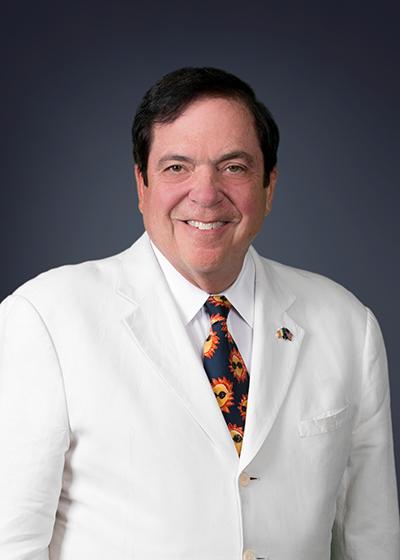
Stephen Komie is battle-tested in the courtroom and has spent over 40 years fighting for clients facing serious criminal charges.
- 40+ years representing clients in state, federal & international trials
- Argued 5 cases before the Illinois Supreme Court
- Top 100 Trial Lawyer (National Trial Lawyers & American Trial Lawyers Association)
- Author of the Attorney's Bill of Rights, adopted by the Illinois Supreme Court
- Admitted to practice before the U.S. Supreme Court
- Founder, Komie and Associates
Cook County Circuit Court
2650 S California Ave #526 Chicago, IL 60608
Schedule a Consultation Today
 The use of the Internet or this form for communication with the firm or any individual member of the firm does not establish an attorney-client relationship. Confidential or time-sensitive information should not be sent through this form.
I have read and understand the Disclaimer and Privacy Policy.








 Map & Directions


From our office in Chicago, Illinois we serve clients throughout the state including but not limited to Joliet, Bridgeview, Wheaton, Rolling Meadows, Lombard, Skokie, Morris, Ottawa, Princeton, Cambridge, Waukegan, LaSalle, Bureau, Peoria, Bloomington, Rockford, Quincy, Macomb, McHenry, Springfield, Rock Island, East St. Louis, Belleville, Elizabethtown, Cook County, Winnebago County, Kane County, Lake County, DuPage County, Jo Daviess County and Northeast Illinois.
Results listed are not a guarantee or indication of future case results.