Bridgeview Order of Protection and No Contact Order Defense Lawyers
- Illinois has different protective orders. Neighbors, coworkers, and acquaintances can seek stalking no-contact orders without a family relationship.
- An emergency order can be entered before you have a chance to respond. A longer plenary order requires notice and an opportunity for a hearing.
- These orders can affect your home, employment, firearms, and daily movements. Knowingly violating a valid order can result in criminal charges.
Skilled Order of Protection and No Contact Order Defense Attorneys Protecting Your Rights in Bridgeview, Illinois
Being served with an order of protection or no-contact order can disrupt your life immediately. You might be ordered to leave your home, avoid a neighbor, or surrender firearms before presenting your side of the dispute.
Illinois provides several types of protective orders, each with different requirements. The order is not the same as a criminal conviction, but ignoring its terms can create serious legal problems. At Komie and Associates, we defend people facing protective orders and related domestic violence allegations throughout Bridgeview and Cook County. Attorney Stephen Komie leads a trial-focused team that examines the allegations, preserves important evidence, and prepares clients for court.
Facing an Order of Protection or No Contact Order?
Call Komie and Associates at 312-263-2800 to schedule your consultation and discuss your defense options.
What Is the Difference Between an Order of Protection and a No Contact Order in Bridgeview?
An Illinois order of protection addresses abuse allegations involving family or household members, including spouses, former dating partners, relatives, and people who have lived together. The relationship alone does not establish abuse.
A stalking no contact order does not require a personal relationship. It addresses at least two qualifying acts of unwanted conduct that cause reasonable fear or significant emotional distress. A civil no contact order concerns nonconsensual sexual conduct and can accompany a sex crimes investigation.
Criminal courts can also prohibit contact through pretrial release conditions. These restrictions are separate from civil orders, making it important to identify which applies.
How Do Bridgeview Neighbor Disputes Lead to No Contact Orders?
Disputes between neighbors over property lines, parking, noise, or security cameras can escalate into stalking allegations. However, ordinary disagreements do not automatically qualify as stalking. Courts examine the alleged conduct, its context, and whether it meets Illinois legal requirements.
A no contact order between neighbors can create complications involving shared driveways, sidewalks, or other common areas. Even accidental encounters require care, and only the court can modify an order's restrictions.
Evidence such as security footage, messages, property surveys, and witness statements can help establish what happened. Avoid confrontations or indirect contact, and seek legal guidance if an order interferes with everyday activities.
What Happens if You Violate a Protective or No Contact Order in Bridgeview?
Violating a protective or no contact order in Bridgeview can lead to arrest, criminal charges, and possible jail time. These orders can prohibit direct contact, phone calls, text messages, social media communication, or contact through another person. They can also restrict access to a shared home or certain locations. Even a single message or an unplanned visit can result in legal consequences if it violates the order's terms.
In Illinois, a first violation is typically a Class A misdemeanor, punishable by up to 364 days in jail. A second or subsequent violation can be charged as a Class 4 felony, and certain prior convictions can also lead to felony charges. Violations involving threats, harassment, or other criminal conduct can result in additional charges. Depending on the order, firearm restrictions and other legal consequences may also apply.
An order remains enforceable even if the protected person invites contact or agrees to meet. Only a court can modify or terminate its restrictions. If you are accused of violating an order, review its terms carefully and speak with our attorneys before responding to the allegations.

How Does Our Team Build a Strong Defense?
At Komie and Associates, we use a team approach. Attorneys and staff review the allegations together, identify missing evidence, and determine whether outside professionals can answer disputed questions. Depending on the facts, we may work with digital forensic specialists to review messages or video, psychologists to address disputed behavioral claims, or other experts who can explain technical evidence. The firm has access to forensic accountants, physicians, and additional specialists around the country.
Our firm's collaborative approach is especially valuable in complex criminal trials that require expert testimony and extensive preparation. One example is the Roland Breault murder case, which involved the fatal stabbing of Rockford saloon owner Joe Pendergrass in 2016. Breault faced first-degree murder and aggravated battery charges, and his defense centered on a claim of self-defense. After an eight-year legal battle, the jury acquitted him of both charges but found him guilty of involuntary manslaughter.
Attorney Stephen Komie worked with a defense team that included attorneys Brian King and Allan Ackerman, Dr. Larry Blum, architect Ron Bellas, who developed a model of the scene, and jury selection expert Dr. Jo-Ellan Demetrius. Their combined efforts demonstrate how the firm draws on different areas of expertise to investigate evidence, prepare for trial, and build a defense suited to each client's circumstances.
Case Result
"In 2000, Mr. Komie successfully defended Cook County teacher Carl Palmer, who was accused of having sex with a 14-year-old student. By finding inconsistencies in the accuser's story and demonstrating his client's good character through the testimony of multiple witnesses, Mr. Komie was able to show that the prosecution was unable to prove their case beyond a reasonable doubt, and Mr. Palmer was acquitted."
"Mr. Komie and his team guided me through a painful, complicated case with confidence and expertise. They were completely thorough and compassionate at the same time. The rates were reasonable considering the effort involved. Justin was great, and Mary at the front office is exceptional. I would not have made it through this ordeal without her. Mr. Komie and his team are legal specialists that I highly recommend."
Frequently Asked Questions About Orders of Protection and No Contact Orders in Bridgeview
A neighbor generally cannot get an order of protection unless you are family or household members. However, a neighbor can ask for a stalking no contact order, which does not require any relationship. The neighbor must show a course of conduct, such as two or more incidents, that caused fear or emotional distress.
Contacting the person after an order is entered can lead to criminal charges, even if the other person reached out first or agreed to the contact. A first violation is generally a Class A misdemeanor. The order remains in effect until a judge modifies or ends it, so any change should be made through the court.
Contact Our Bridgeview Order of Protection and No Contact Order Defense Attorneys Today
An Illinois protective order can affect where you live, your employment, and your ability to move through your neighborhood. A strong response begins with understanding exactly which order was filed and what evidence supports it. At Komie and Associates, we investigate the allegations, prepare for hearings, and involve qualified experts when their knowledge will help explain important facts. Contact our Bridgeview, IL order of protection and no contact order defense lawyers at 312-263-2800 to schedule a consultation.
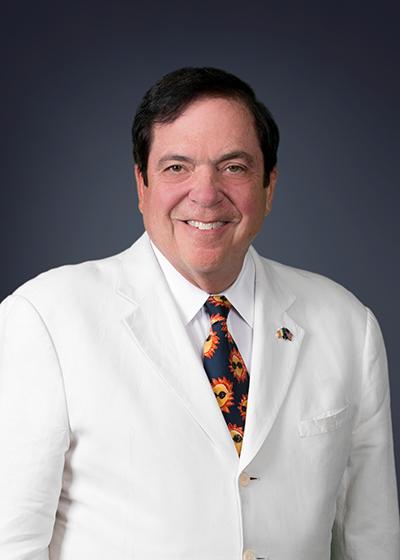
Stephen Komie is battle-tested in the courtroom and has spent over 40 years fighting for clients facing serious criminal charges.
- 40+ years representing clients in state, federal & international trials
- Argued 5 cases before the Illinois Supreme Court
- Top 100 Trial Lawyer (National Trial Lawyers & American Trial Lawyers Association)
- Author of the Attorney's Bill of Rights, adopted by the Illinois Supreme Court
- Admitted to practice before the U.S. Supreme Court
- Founder, Komie and Associates
Cook County Circuit Court
2650 S California Ave #526 Chicago, IL 60608
Schedule a Consultation Today
 The use of the Internet or this form for communication with the firm or any individual member of the firm does not establish an attorney-client relationship. Confidential or time-sensitive information should not be sent through this form.
I have read and understand the Disclaimer and Privacy Policy.








 Map & Directions


From our office in Chicago, Illinois we serve clients throughout the state including but not limited to Joliet, Bridgeview, Wheaton, Rolling Meadows, Lombard, Skokie, Morris, Ottawa, Princeton, Cambridge, Waukegan, LaSalle, Bureau, Peoria, Bloomington, Rockford, Quincy, Macomb, McHenry, Springfield, Rock Island, East St. Louis, Belleville, Elizabethtown, Cook County, Winnebago County, Kane County, Lake County, DuPage County, Jo Daviess County and Northeast Illinois.
Results listed are not a guarantee or indication of future case results.